

Your Eyes Can Reveal More Than You Think!
March 1, 2026
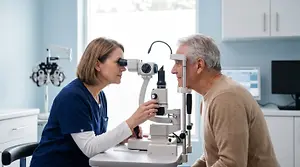
When you think about an eye exam, you may picture reading letters from a chart or finding out whether you need new glasses. Those steps matter, but they are only part of the visit. A comprehensive exam also gives your eye doctor a closer look at the health of your eyes—even when your vision seems unchanged.
At Eyecare For You, this medical-first approach helps adults and seniors take a more active role in protecting their sight. Regular eye exams can establish a baseline, reveal subtle changes, and guide the right follow-up care before a concern begins to interfere with daily life.
What Does a Comprehensive Eye Exam Check?
During a comprehensive eye exam, the doctor evaluates how clearly you see and whether your prescription has changed. The visit may also assess eye coordination, focusing ability, eye pressure, peripheral vision, and the health of structures inside and around the eye. The exact testing used depends on your age, health history, symptoms, and risk factors.
This broader view matters because clear sight does not always mean healthy eyes. Several conditions can begin quietly, with few or no noticeable symptoms. By comparing findings over time, your doctor can identify changes that deserve closer monitoring or treatment.
Eye Conditions That May Develop Without Obvious Warning Signs
A comprehensive exam may reveal changes associated with:
- Glaucoma: Damage may develop gradually and affect peripheral vision before a person notices a problem.
- Diabetic eye disease: Diabetes can damage retinal blood vessels, sometimes before vision changes are apparent.
- Age-related macular degeneration: Changes in the macula can threaten the detailed central vision used for reading, driving, and recognizing faces.
- Cataracts: Clouding of the eye's natural lens can cause glare, faded colors, and increasingly blurry vision.
Identifying a possible concern is not the same as making assumptions about your overall health. Your eye doctor will explain the findings and, when appropriate, recommend monitoring, eye disease management, or coordination with another healthcare provider.
Your Health History Helps Complete the Picture
Your eyes do not exist separately from the rest of your body. Conditions such as diabetes and high blood pressure, as well as medications and family history, may affect your eye health or your recommended exam schedule.
Tell your eye doctor about new diagnoses, medication changes, previous eye procedures, and any relatives with glaucoma or macular degeneration. Also mention symptoms that seem minor, including glare, trouble seeing at night, fluctuating vision, new spots in your vision, or difficulty reading. These details help the doctor tailor the exam to you.
If cataracts begin affecting daily activities, cataract co-management can provide support before and after surgery while keeping your care connected.
Prevention Starts With a Personal Baseline
An initial exam records what is normal for your eyes today. Future exams can then show whether your prescription, eye pressure, retina, optic nerve, lenses, or other structures have changed. This comparison is especially useful as you age or manage a chronic condition.
How often should you have an exam? There is no single schedule for everyone. Your doctor may recommend more frequent visits based on your age, symptoms, medical history, family history, or an existing eye condition.
Make Your Next Eye Exam About More Than Glasses
Do not wait for obvious blur to make eye health a priority. A thorough exam can answer questions, create a useful baseline, and help you understand the next steps for protecting your sight. Request an appointment with Eyecare For You in Boynton Beach today.