
Are Your Contact Lenses Still Working for Your Lifestyle?
September 23, 2026
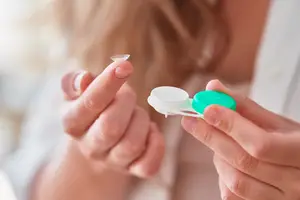
Contact lenses may have fit your routine perfectly a few years ago. Now, perhaps your eyes feel dry by afternoon, screens take up more of your day, or menus are harder to read. Maybe reusable lenses feel like one more task during travel or a busy week.
These changes do not automatically mean you have to stop wearing contacts. They may mean it is time to reconsider the lens material, replacement schedule, prescription, or wearing habits. At Eyecare For You, contact lens options include daily disposable and bifocal or multifocal designs for different stages of life.
Your Contact Lens Needs Can Change
Age is only one factor. More screen time can reduce how often you blink, while air conditioning, outdoor conditions, medications, health changes, and long wearing days may affect comfort. Your work, exercise, travel, and social routines can also change what “convenient” means.
Signs that your current lenses may need another look include:
- Blur that comes and goes
- Trouble shifting focus between a phone and the distance
- Dryness or irritation later in the day
- Redness after lens wear
- Lenses that move, feel noticeable, or require frequent adjustment
- A cleaning routine that no longer fits your schedule
Do not simply tolerate recurring discomfort. A contact lens evaluation checks your prescription, corneal measurements, lens fit, movement, tear film, and eye health. This helps separate a lens issue from dry eye or another ocular-surface concern.
Daily Disposables Make the Routine Simpler
Daily disposable contact lenses are worn once and discarded. Each day begins with a fresh pair, so there is no nightly cleaning or storage case. That can be useful for frequent travelers, people with busy schedules, occasional wearers, or anyone who values a straightforward routine.
Convenience does not remove the need for healthy habits. Wash and dry your hands before handling lenses, follow the prescribed wearing schedule, and never sleep, swim, or shower in lenses unless your eye doctor has specifically said the lenses are approved for that use.
Turning 40 Does Not End Your Contact Lens Years
In your 40s, the eyes gradually lose some ability to focus up close. This normal change is called presbyopia. If you now hold small print farther away or rely on reading glasses, you may assume contacts are no longer practical.
Bifocal and multifocal contact lenses are designed to support vision at more than one distance. Depending on the design and your visual needs, they may help with tasks such as driving, computer work, and reading without requiring readers for every near task. The right balance is individual, so fitting and follow-up matter.
Comfort Is Part of Clear Vision
A lens can have the correct power and still be a poor match if your eyes become dry, red, or tired. Screen habits, tear quality, eyelid health, lens material, fit, and wear time can all affect comfort. If dryness is getting in the way, dry eye care may be part of the solution rather than repeatedly switching products on your own.
Remove your lenses and call promptly if you develop pain, marked redness, light sensitivity, discharge, or a sudden change in vision.
Find a Better Match for Life Now
Your lenses should support the way you work, travel, exercise, use screens, and see at every needed distance. An updated evaluation gives you a chance to discuss what is and is not working—not just whether you can read the eye chart.
Request an appointment with Eyecare For You in Boynton Beach to explore daily disposable, bifocal, or multifocal contact lenses and find an option suited to your current vision, comfort, and routine.